
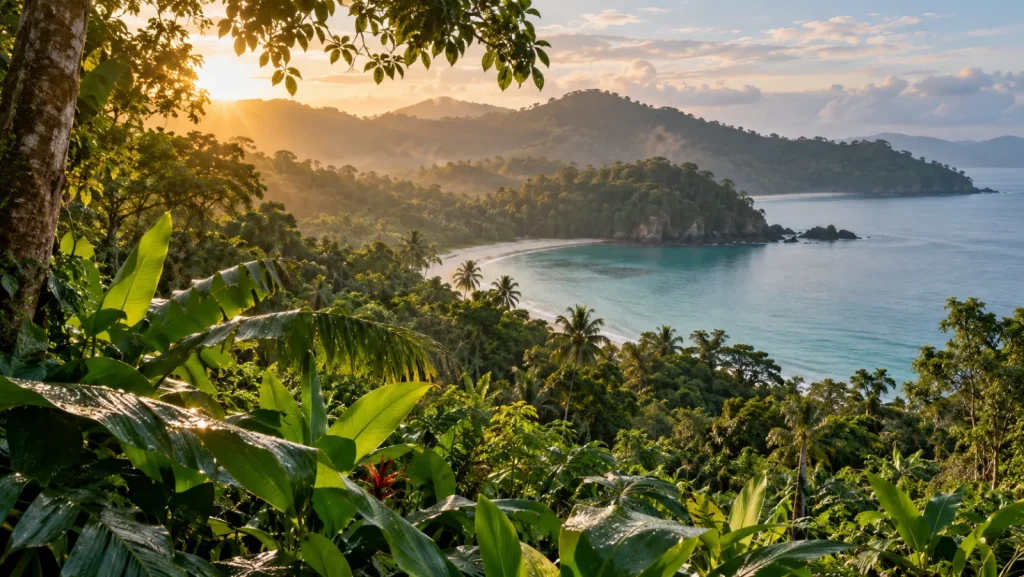
“I want the sea” and “I want the jungle” sound simple, but each can describe a dozen different holidays. A quiet cove is not the same as a lively waterfront. A rainforest lodge is not the same as a city hotel with a day trip to a nature reserve.
Make the landscape specific
For the sea, consider the kind of coastline you want: an easy beach day, a walkable harbour, coral and snorkeling, or a dramatic cliff path. For a jungle or forest trip, decide whether you want wildlife viewing, short guided walks, long hikes, or simply a green setting close to a comfortable stay.
It helps to add a pace. “Slow mornings by the sea with a small hotel and seafood” points in a different direction from “diving every day near a tropical island.” “Rainforest trails with a spa in the evening” gives a better brief than “jungle trip.”
Check the geography
A country may have beaches and forests, but that does not mean they sit near the same city. TIC8’s matching logic checks named areas and can exclude a suggestion when your requested landscapes would require incompatible locations. With live place data connected, nearby natural features are checked against an external place database rather than treated as an editorial assumption.
Ask for the combination you actually want: “a beach near rainforest walks” is much more precise than “sea and jungle.”
Let the picture inspire, then verify
Destination cards include imagery because place is visual. Editorial images are labelled as illustrative; place-related photos, when available through a connected provider, are credited to their source. Use the image to explore a possibility, then open the place links and review current conditions before making plans.
Start with your own words on the TIC8 discovery page. You can refine the prompt as you learn what matters most.